Featured News

What Gen Z Actually Wants from Construction Careers
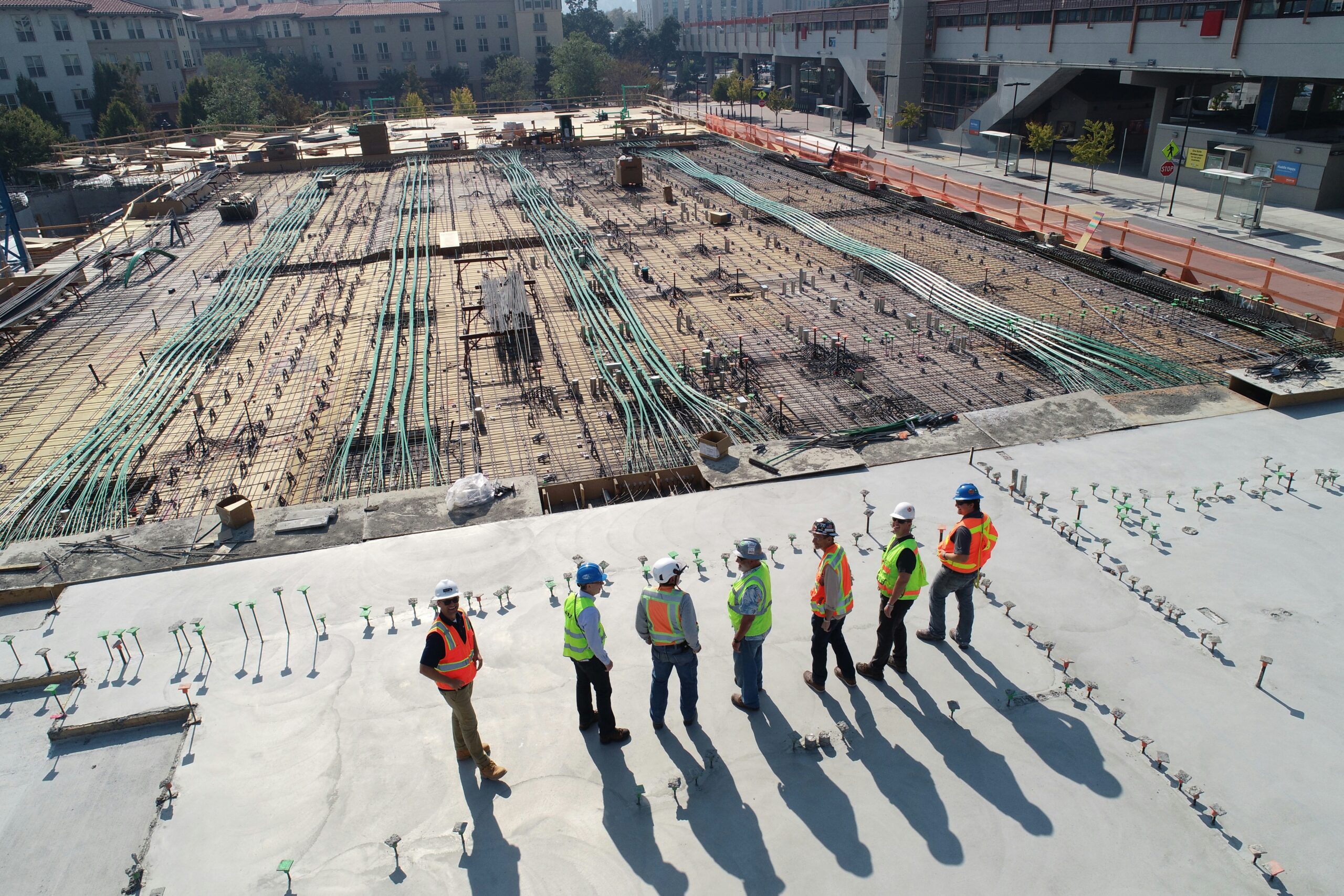
Close to 270,000 workers, or about 21% of Canada’s construction workforce will retire in the next 10 years. With several major projects on the horizon across Alberta, the construction industry needs to find ways to connect with Gen Z and Gen Alpha workers in ways that match their expectations and values. A recent article in BuildForce Magazine looks at what that means. Different Values, Same Opportunity Gen Z has been shaped by the pandemic and grew up entirely in a digital world. Their values reflect those experiences. But the construction industry has a lot to offer workers looking for real-world impact. Building physical infrastructure, shaping communities and seeing tangible results from work resonates strongly with younger workers who want meaningful careers. CLRA supports this connection through partnerships with Skills Alberta, Careers the Next Generation and the Workforce Development Trust, helping bridge the gap between younger workers and construction opportunities. What Matters to Gen Z Clear career paths and good wages matter. The article’s author points out that the opportunity to work on sustainability-focused projects and community-centered work also matters. Gen Z wants to know where their career is heading and how their work contributes to something bigger. Construction can deliver
Learn about diversity in the trades:
WorkAlbertaTrades.org/Todays-New-Workforce
Building Alberta's Workforce Together
CLRA Teaming Up with the Edmonton Elks
Here’s why you should consider the trades:
WorkAlbertaTrades.org/Education-Tools-for-Trades
News

Will Co-operation Agreements Actually Speed Up Major Project Approvals?
The federal government has promised “one project, one review” to stop regulatory duplication between Ottawa and the provinces. A new article from the Canada West Foundation examines whether these co-operation agreements are actually delivering on faster approvals. For Alberta’s construction industry, approval timelines directly impact our ability to put skilled workers to work on the projects Canada needs. When regulatory processes drag, it creates uncertainty that affects workforce planning and our members’ ability to build the infrastructure that strengthens our economy. What are co-operation agreements? Co-operation agreements streamline the process between the federal government and provinces by letting the federal government either step out of the review process early if a project doesn’t affect federal areas, accept a province’s review instead of doing its own, or work with the province on one shared assessment. Before this push, only B.C. had a co-operation agreement. Now Ontario and New Brunswick have signed on, and several more provinces including Alberta are negotiating. The Results So Far Only two projects have been fully approved through federal assessment since 2019 – both LNG projects in B.C. One took 3.5 years and the other took 2 years. While this represents improvement over the previous system, both

CLRA Launches Industry Insights Series with Pathways Alliance
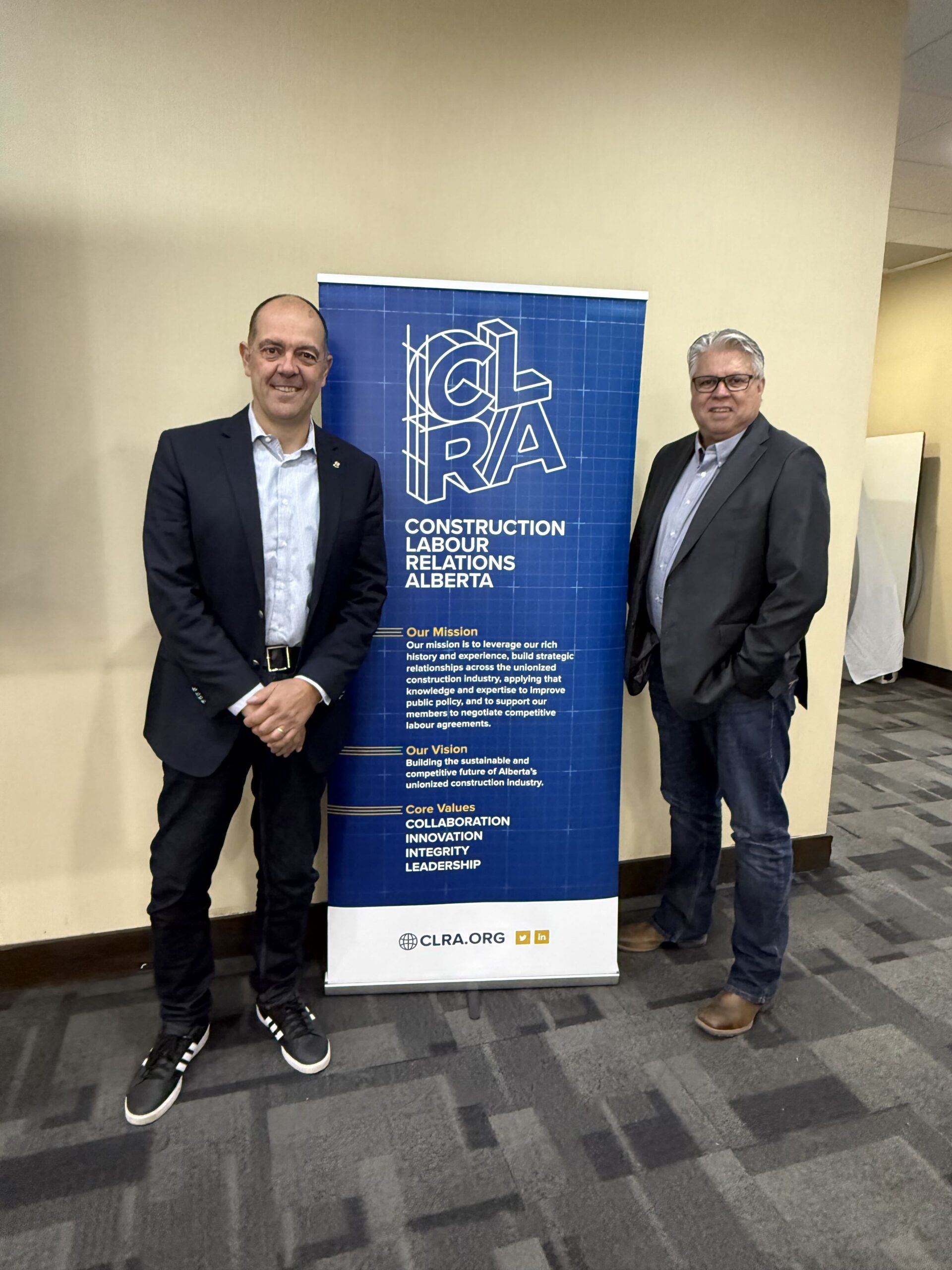
Construction Labour Relations Alberta (CLRA) has launched Industry Insights, a new series of breakfast meetings designed to give board members, industry partners and stakeholders visibility into upcoming project priorities, policy developments and emerging trends shaping Alberta’s construction sector. CLRA plays a vital role in leading discussions and building partnerships within the industry to build awareness and help address these issues so every aspect of construction in this province benefits. The inaugural event featured Kendall Dilling, President of Pathways Alliance, who provided an update on the organization’s work supporting Alberta’s oil sands industry through the construction of carbon capture and storage projects. The Pathways Alliance carbon capture and storage network represents a major opportunity for Alberta’s skilled trades. Construction is expected to generate more than $16.5 billion in GDP and over 129,000 jobs, with $13.3 billion flowing into Alberta’s economy and $12.2 billion in labour income. Beyond the immediate construction activity, the network positions Alberta’s oil sands sector to remain globally competitive. The project helps establish Alberta as a leader in carbon capture technology that can serve other industries and be exported internationally, while generating economic benefits that fund healthcare, highways and transit infrastructure. Industry leaders heard from Mr. Dilling that

Business Council Winter 2025 Snapshot Summary
Alberta has shown resilience through a turbulent year and is expected to lead Canada with roughly 2% growth this year and next, according to the Business Council of Alberta’s Winter 2025 Snapshot. While this is modest growth, it shows the province’s strength during a challenging year marked by uncertainty over U.S. trade and tariffs. Alberta’s labour market has held up well despite these challenges. The province has added jobs at more than twice the national pace since January, with the unemployment rate dropping from 8.4% in August to 6.5%. Construction activity remains strong, with Alberta still building roughly twice as many homes as in 2019 and on track for a record year. However, the residential construction boom that drove much of Alberta’s growth is stabilizing as both population growth and housing markets return to more balanced levels. The recent Federal-Alberta Memorandum of Understanding (MOU) could open the door to real opportunities for the province. Many details still need to be worked out and challenges remain, but it signals the federal government’s renewed commitment to supporting Canadian workers and our economy. The MOU supports major infrastructure projects that could create significant construction opportunities, including a new pipeline capable of moving one
Excerpt: Board Chair's New Year Message to Members
“Over the next several months, much of our association’s focus for that work will be advocacy with the provincial government and with other industry stakeholders. Politics in Alberta have changed dramatically and permanently over the last decade. As a result, we have work to do to raise awareness about CLRA with decision-makers and influencers in government.
“We have important messages to deliver on your behalf about the value of the collective agreements we’ve signed with the skilled trade unions, about the value CLRA offers to government efforts to attract investment and workers to Alberta, about the need for more predictable and stable investments in the construction industry, trades education and workforce retention, about the impact of potential changes to labour legislation, workplace safety regulations and building codes, and about the need to attract and recruit more people to our industry from underrepresented groups including women, LGBTQ2S+ and Indigenous people.
“As Chair, my only ask of our members this year is to support these efforts.”